
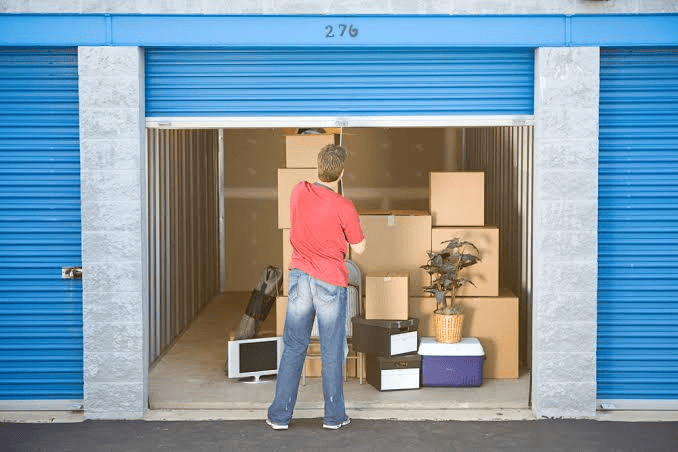
Storage Unit Renters Insurance: A Complete Guide to Protecting Your Belongings
Whether you’re moving to a new home, renovating your property, travelling for an extended period, or simply running out of space, renting a storage unit is a practical solution for keeping your belongings safe. However, many people assume that a storage facility is fully responsible for anything stored inside the unit. In reality, that isn’t always the case.
This is where storage unit renters insurance becomes important. It provides an additional layer of financial protection against unexpected events that could damage or destroy your stored possessions. Understanding how this type of insurance works can help you make informed decisions before placing valuable items into storage.
What Is Storage Unit Renters Insurance?
Storage unit renters insurance is a policy designed to help protect personal belongings stored inside a rented storage unit. Depending on the policy, it may provide financial protection if your possessions are damaged or lost due to covered events such as fire, theft, vandalism, certain weather-related incidents, or water damage.
While every insurance provider offers different levels of coverage, the primary purpose remains the same: helping reduce your financial loss if something unexpected happens to your stored belongings.
Why Is Storage Insurance Important?
Although modern self-storage facilities invest in security features such as surveillance cameras, gated access, alarms, and on-site management, no facility can eliminate every possible risk.
Unexpected incidents can occur without warning, including:
- Fire
- Theft
- Storm damage
- Water leaks
- Vandalism
- Smoke damage
- Certain natural disasters
Without appropriate insurance, replacing valuable belongings could become a significant financial burden.
What Does Storage Unit Renters Insurance Typically Cover?
Coverage varies between insurers, but many policies may include protection for:
- Furniture
- Clothing
- Electronics
- Household goods
- Sporting equipment
- Business inventory
- Seasonal decorations
- Collectibles
- Personal documents (subject to policy limits)
Some policies also provide protection against accidental damage resulting from specific covered events.
Always review the policy wording carefully to understand exactly what is and isn’t included.
What Items May Not Be Covered?
Like most insurance products, storage unit renters insurance often includes exclusions.
Items that may have limited or no coverage include:
- Cash
- Jewellery above policy limits
- Precious metals
- Illegal items
- Hazardous materials
- Perishable food
- Motor vehicles
- Live plants
- Animals
Certain high-value belongings may require additional coverage or separate insurance.
Does Homeowners or Renters Insurance Cover Storage Units?
Many people already have homeowners or renters insurance and assume it automatically covers everything stored away from home.
While some policies may extend limited protection to belongings kept in storage, coverage limits, exclusions, and deductibles can vary considerably. In many cases, the available protection may not fully cover the value of all stored possessions.
Checking your existing policy before renting a storage unit can help you determine whether additional storage insurance is needed.
How Much Coverage Do You Need?
Choosing the right level of coverage starts with understanding the value of the items you plan to store.
Consider:
- The replacement cost of your belongings
- The number of valuable items
- Whether you’ll be storing antiques or collectibles
- How long the items will remain in storage
Creating an inventory with photographs and estimated values can also make future claims easier if a covered incident occurs.
Tips for Protecting Your Belongings in Storage
Insurance is only one part of protecting your possessions. Following good storage practices can also reduce the risk of damage.
Some useful tips include:
- Use sturdy, high-quality boxes.
- Wrap fragile items carefully.
- Store furniture off the floor using pallets.
- Avoid overpacking boxes.
- Keep valuable documents in waterproof containers.
- Label boxes clearly.
- Use a quality lock.
- Choose a climate-controlled unit when appropriate.
Proper organisation can also make it easier to locate belongings without unnecessary handling.
Common Mistakes Storage Renters Make
Many renters unknowingly increase their risk by making avoidable mistakes.
These include:
- Assuming the storage facility is fully liable for losses.
- Not checking existing insurance policies.
- Underestimating the value of stored belongings.
- Failing to document stored items.
- Choosing insufficient insurance coverage.
- Storing prohibited items.
Avoiding these mistakes can provide greater peace of mind throughout the storage period.
How to Choose the Right Storage Unit Renters Insurance
Not every insurance policy offers the same level of protection.
Before selecting coverage, consider:
- Coverage limits
- Covered risks
- Policy exclusions
- Deductibles
- Claims process
- Customer reviews
- Premium costs
- Optional protection for high-value items
Comparing policies can help you find coverage that matches both your storage needs and your budget.
Is Storage Unit Renters Insurance Worth It?
For many people, the answer is yes.
Replacing furniture, electronics, clothing, family heirlooms, or business equipment after a major loss can cost thousands of dollars. Storage unit renters insurance provides financial protection that can help reduce the impact of unexpected events.
Whether you’re storing belongings for a few weeks or several months, having appropriate insurance offers valuable peace of mind.
Final Thoughts
Renting a storage unit is an excellent way to create extra space while protecting belongings during life’s transitions. However, physical security measures alone cannot prevent every possible risk.
Understanding storage unit renters insurance allows you to better protect your possessions against unexpected losses while ensuring you’re financially prepared if something goes wrong. Before placing your belongings into storage, review your existing insurance, assess the value of your items, and choose coverage that provides the protection you need.
By taking these simple steps, you can enjoy greater confidence knowing your stored belongings are better protected throughout their time in storage.
FAQs
Does every storage facility require storage unit renters insurance?
Not every storage facility requires insurance, but many either require proof of coverage or offer insurance options during the rental process.
How much does storage unit renters insurance cost?
The cost depends on factors such as the coverage amount, the value of your belongings, and the insurance provider. Basic policies are generally affordable compared to the potential cost of replacing valuable items.
Can I insure business items stored in a storage unit?
Some policies offer coverage for business property, while others only cover personal belongings. Always review the policy details before purchasing coverage.
Should I create an inventory of my stored belongings?
Yes. Keeping photographs, receipts, and a written inventory can simplify the claims process and help verify ownership if you ever need to file a claim.