Legionella bacteria is one of the more serious health risks associated with building plumbing systems, and it’s one that building owners and managers often underestimate or are unaware of entirely. The bacteria causes Legionnaires’ disease, a form of pneumonia that can be fatal, particularly in older adults, immunocompromised individuals, and people with underlying lung conditions. Florida’s climate, combined with the age and configuration of plumbing systems in many of the state’s commercial buildings and hotels, creates conditions where Legionella risk is higher than most property owners realize.
Knowing where the bacteria comes from, what conditions allow it to grow, and what building owners are legally and practically expected to do about it has become more important as awareness of the issue has grown and regulatory attention has increased.
Where Legionella Comes From
Legionella bacteria exist naturally in water environments, including lakes, rivers, and groundwater. Municipal water treatment controls the bacteria in the water supply through disinfection, but it doesn’t eliminate it entirely. At low concentrations in potable water, Legionella doesn’t pose a significant health risk. The problem arises when the bacteria find conditions inside a building’s plumbing system that allow them to multiply to concentrations high enough to cause illness.
The primary route of infection is not drinking contaminated water. It’s inhaling water droplets or aerosols that contain the bacteria. Showerheads, cooling towers, decorative fountains, hot tubs, and any other system that creates a fine water mist are the primary exposure points.
The Temperature Window
Legionella grows most aggressively in water temperatures between 77 and 113 degrees Fahrenheit. Water above 122 degrees kills the bacteria, and water below 68 degrees suppresses growth substantially. Building plumbing systems that maintain water in the growth temperature range for extended periods are the environments where Legionella proliferates.
This temperature window is directly relevant to domestic hot water systems. A water heater set at a low temperature to reduce scalding risk or to save energy may keep the water in storage and in distribution pipes within the Legionella growth range. Long runs of hot water pipe that cool down between uses, dead-end pipe sections where water sits without being regularly flushed, and storage tanks with stratification where the lower portion stays cooler than the thermostat setting are all conditions that promote bacterial growth.
Which Buildings Carry the Most Risk
Not all buildings carry the same Legionella risk. The buildings that produce the most Legionnaires’ disease cases share certain characteristics: large and complicated water distribution systems, hot water that travels long distances from the heater to the fixture, multiple types of water-using equipment, and occupants who are more susceptible to respiratory illness.
Hotels & Resorts
Hotels have been the source of documented Legionella outbreaks more frequently than any other building type. The combination of factors is straightforward: large hot water storage systems, long pipe runs to guest rooms throughout a building, showerheads that generate aerosols, cooling towers that can introduce contaminated droplets into the air supply, and guests who may be older or traveling while already fatigued.
South Florida’s hotel and resort inventory includes many older properties where the plumbing infrastructure hasn’t been modernized. An older hotel with a hot water recirculation system that has dead legs, which are pipe sections that branch off the main loop and don’t circulate, is a textbook Legionella growth environment.
Hospitals & Healthcare Facilities
Healthcare facilities serve populations who are precisely the demographic most vulnerable to Legionnaires’ disease. The regulatory expectation for Legionella management in hospitals is higher than in most other building types, and the Centers for Medicare and Medicaid Services has required hospitals and long-term care facilities to have water management programs in place since 2017. Despite this, healthcare-associated Legionella cases continue to be reported.
Older Residential Buildings
High-rise residential buildings, particularly those built before 1990, can have plumbing configurations that create Legionella risk. Central hot water systems that serve many units, recirculation loops with branches that don’t circulate regularly, and aging water heaters that don’t maintain consistent temperatures throughout the tank are all contributing factors.
What Building Owners Are Required to Do
ASHRAE Standard 188, published in 2015, established the baseline framework for Legionella risk management in buildings in the United States. The standard calls for a Water Management Program that identifies the building’s water systems, assesses the conditions that could support Legionella growth, and implements control measures with regular monitoring and documentation.
Florida does not currently have a state law that mandates water management programs for all commercial buildings, though that regulatory posture has been evolving nationally. Healthcare facilities have federal requirements. For other building types, the standard of care established by ASHRAE 188 creates a benchmark that insurers, liability attorneys, and regulators use when evaluating if a building owner acted responsibly.
Practical Control Measures
The most effective control measures for Legionella in building plumbing are water temperature management, regular flushing of low-use outlets, disinfection of the distribution system, and proper maintenance of equipment that creates aerosols.
Maintaining hot water storage above 140 degrees Fahrenheit and ensuring hot water reaches fixtures at or above 122 degrees kills Legionella throughout the system. Flushing outlets that are used infrequently, including guest rooms that have been vacant and fixtures in storage rooms or maintenance areas, removes stagnant water where bacteria can multiply.
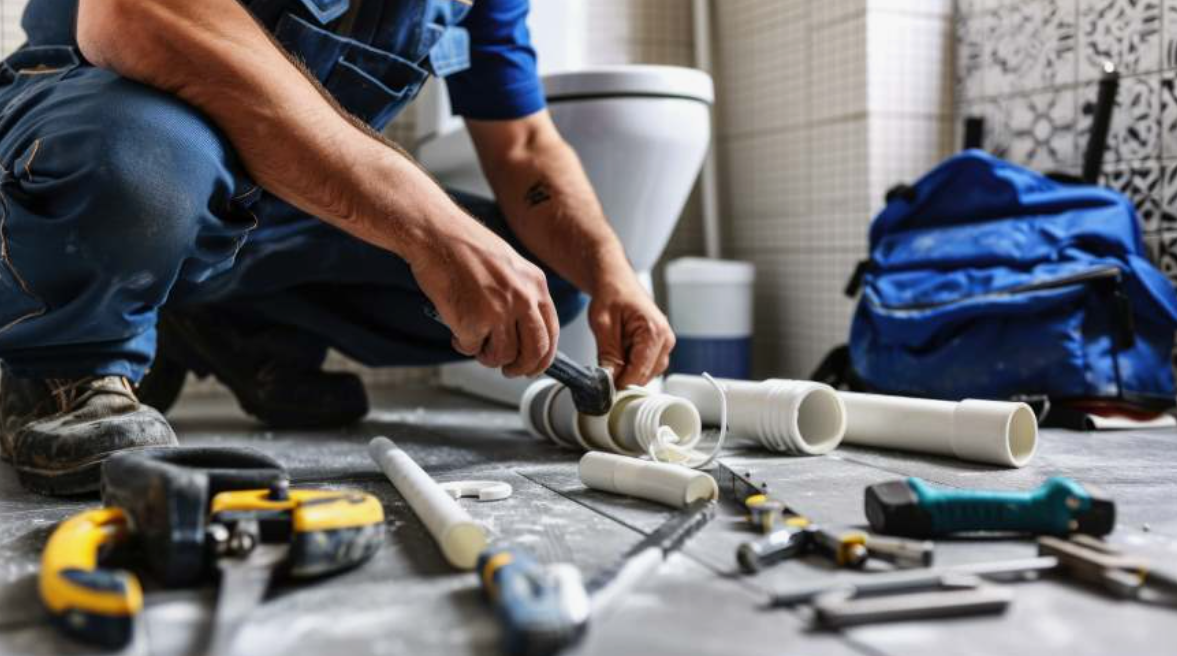
A to Z Statewide Plumbing works with commercial property owners and managers across South Florida on plumbing system assessments relevant to Legionella risk, including identifying dead legs in recirculation systems, evaluating water heater temperature and performance, and recommending modifications to distribution systems that reduce the conditions supporting bacterial growth. Their team’s experience with commercial plumbing systems in the region makes them a practical starting point for property owners who want to assess their exposure before a problem develops.