
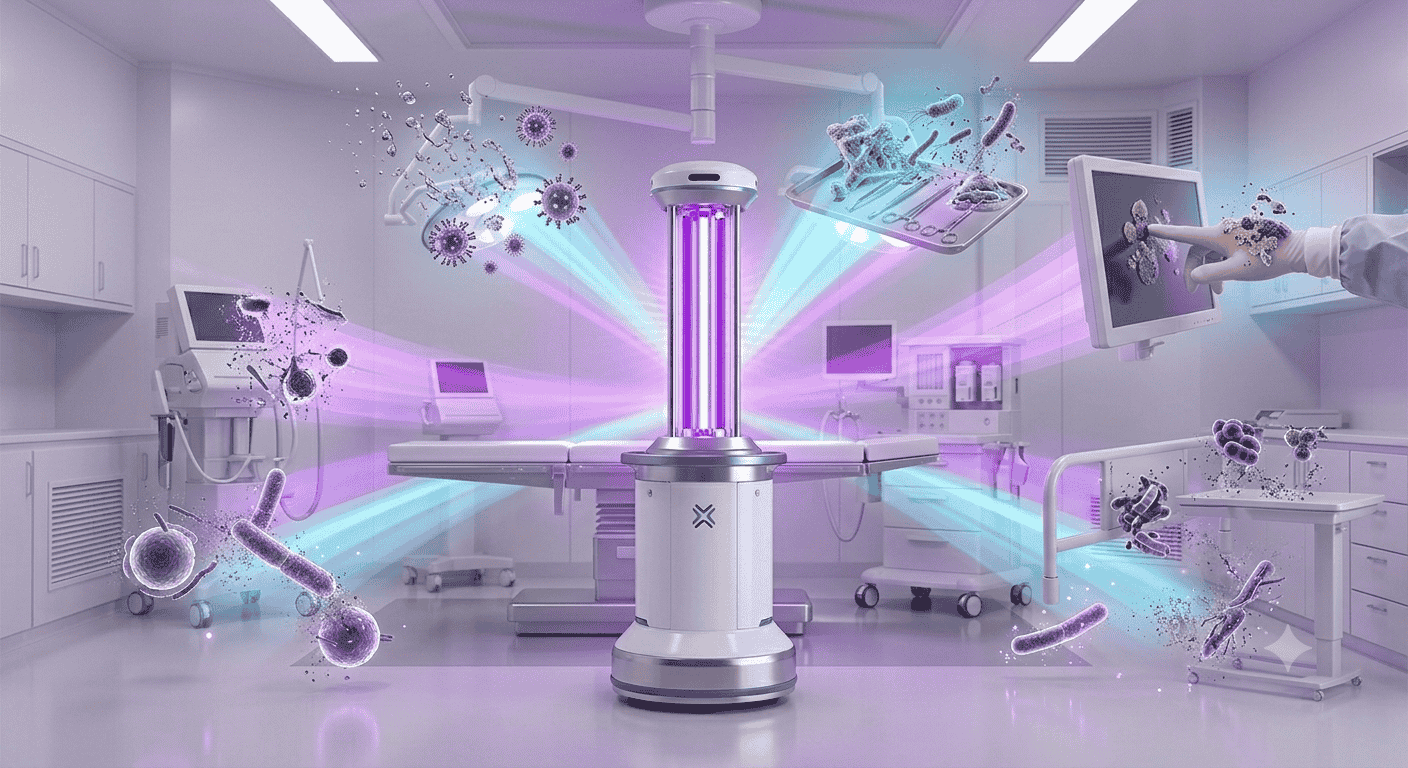
Hospitals are designed to heal and protect patients, yet they can also become environments where harmful microorganisms spread if proper infection prevention measures are not in place. Every day, healthcare facilities manage large numbers of patients, visitors, healthcare workers, and medical equipment, creating multiple opportunities for pathogen transmission. Understanding where and how pathogens spread is essential for reducing healthcare-associated infections (HAIs) and improving patient safety. Healthcare organizations increasingly rely on advanced infection prevention strategies, including hospital disinfection technologies, to reduce environmental contamination and create safer patient care environments.
As healthcare facilities continue to strengthen infection control programs, identifying the most common sources of pathogen transmission remains a critical step toward preventing infections.
Understanding Pathogen Transmission in Healthcare Settings
Pathogen transmission occurs when disease-causing microorganisms move from one source to another. In hospitals, pathogens can spread through direct contact, indirect contact, contaminated surfaces, medical devices, airborne particles, or healthcare personnel.
Common healthcare pathogens include:
- Methicillin-resistant Staphylococcus aureus (MRSA)
- Clostridioides difficile (C. difficile)
- Vancomycin-resistant Enterococci (VRE)
- Acinetobacter species
- Influenza viruses
- Norovirus
- Multidrug-resistant organisms (MDROs)
These microorganisms can survive in healthcare environments and contribute to healthcare-associated infections if not properly controlled.
High-Touch Surfaces
One of the most significant sources of pathogen transmission in hospitals is contaminated high-touch surfaces.
Healthcare workers, patients, and visitors frequently come into contact with surfaces such as:
- Bed rails
- Door handles
- Light switches
- Call buttons
- Overbed tables
- Wheelchairs
- Medical carts
Because these surfaces are touched repeatedly throughout the day, they can quickly become reservoirs for harmful microorganisms.
Without effective cleaning and disinfection protocols, pathogens can easily spread from contaminated surfaces to patients and healthcare staff.
Patient Rooms and Shared Spaces
Patient rooms are among the most important areas for infection prevention. Patients carrying infectious organisms may unknowingly contaminate surrounding surfaces during their stay.
Common contamination points include:
Bedside Equipment
Medical devices and monitoring equipment frequently come into contact with patients and caregivers.
Furniture and Fixtures
Chairs, bedside tables, privacy curtains, and room fixtures can harbor pathogens if not regularly disinfected.
Shared Patient Areas
Waiting rooms, hallways, elevators, and common spaces also contribute to pathogen transmission because of constant foot traffic and surface contact.
Environmental hygiene within patient care areas plays a major role in reducing infection risks.
Healthcare Workers’ Hands
Healthcare professionals are essential to patient care, but hands remain one of the most common pathways for pathogen transmission.
Doctors, nurses, technicians, and support staff interact with multiple patients throughout the day. If proper hand hygiene practices are not consistently followed, microorganisms can transfer between patients, equipment, and surfaces.
Hand hygiene remains one of the most effective infection prevention measures available.
Healthcare facilities emphasize:
- Handwashing with soap and water
- Alcohol-based hand sanitizers
- Proper glove usage
- Hand hygiene compliance monitoring
These practices help reduce opportunities for pathogen spread.
Medical Equipment and Devices
Medical equipment is another common source of contamination in healthcare environments.
Frequently used devices include:
- Blood pressure monitors
- IV pumps
- Thermometers
- Ultrasound machines
- Patient monitoring systems
- Mobile workstations
Because these devices move between patients and departments, they can become vectors for pathogen transmission if not properly disinfected.
Healthcare facilities increasingly incorporate enhanced cleaning protocols and advanced disinfection technologies to address these risks.
Airborne and Droplet Transmission
Certain pathogens can spread through airborne particles or respiratory droplets.
When infected individuals:
- Cough
- Sneeze
- Talk
- Undergo specific medical procedures
they may release microorganisms into the surrounding environment.
Examples of infections associated with airborne or droplet transmission include:
- Influenza
- Tuberculosis
- Respiratory viral infections
- Certain emerging infectious diseases
Hospitals use specialized ventilation systems, isolation rooms, personal protective equipment (PPE), and environmental controls to reduce airborne transmission risks.
Contaminated Environmental Surfaces
Even surfaces that appear clean can harbor microorganisms capable of causing infection.
Pathogens may survive for hours, days, or even weeks depending on:
- Surface material
- Humidity levels
- Environmental conditions
- Type of microorganism
Environmental contamination remains a significant concern because pathogens can persist long after an infected individual has left the area.
Routine cleaning and advanced disinfection technologies help reduce environmental microbial burden and support safer patient environments.
Patient-to-Patient Transmission
Patients themselves can contribute to pathogen transmission within healthcare facilities.
Individuals carrying infectious organisms may unknowingly spread microorganisms through:
- Direct contact
- Shared healthcare equipment
- Environmental contamination
- Respiratory secretions
Patients with weakened immune systems are particularly vulnerable to acquiring infections from contaminated surroundings.
Effective infection prevention programs focus on reducing opportunities for patient-to-patient transmission through isolation protocols, environmental cleaning, and enhanced disinfection practices.
Inadequate Cleaning and Disinfection
One of the most preventable sources of pathogen transmission is insufficient environmental cleaning.
Challenges may include:
Missed Surfaces
Busy healthcare environments increase the likelihood that certain areas may not receive adequate attention during cleaning.
Inconsistent Protocols
Variations in cleaning procedures can affect overall disinfection effectiveness.
Limited Time
Rapid room turnover demands can sometimes make thorough cleaning more difficult.
To address these challenges, many healthcare facilities supplement manual cleaning with technologies such as UV disinfection systems that provide additional microbial reduction.
The Role of Advanced Disinfection Technologies
As hospitals work to reduce pathogen transmission, advanced disinfection technologies have become increasingly important.
UV disinfection technology helps healthcare facilities:
- Reduce environmental contamination
- Support infection prevention programs
- Enhance patient safety
- Improve environmental hygiene
- Complement manual cleaning efforts
Broad-spectrum UV systems can help target microorganisms that may remain after traditional cleaning procedures, providing an additional layer of protection.
These technologies are particularly valuable in high-risk areas such as:
- Intensive care units (ICUs)
- Operating rooms
- Emergency departments
- Isolation rooms
- Patient recovery areas
Building a Strong Infection Prevention Strategy
Reducing pathogen transmission requires a comprehensive approach that combines multiple infection control measures.
Successful healthcare facilities typically focus on:
Hand Hygiene Programs
Consistent hand hygiene remains one of the most effective infection prevention tools.
Environmental Cleaning
Routine cleaning and surface disinfection reduce contamination risks.
Staff Education
Ongoing training helps healthcare workers follow best practices consistently.
Advanced Disinfection Technologies
Supplemental technologies strengthen environmental hygiene efforts.
Continuous Monitoring
Quality assurance programs help identify opportunities for improvement.
Together, these measures create multiple layers of protection against pathogen transmission.
Conclusion
Pathogen transmission in hospitals can occur through numerous sources, including high-touch surfaces, healthcare workers‘ hands, contaminated medical equipment, patient rooms, airborne particles, and environmental surfaces. Understanding these transmission pathways is essential for reducing healthcare-associated infections and improving patient safety.
By combining effective environmental cleaning, strong hand hygiene practices, staff education, and advanced disinfection technologies, healthcare facilities can significantly reduce infection risks. As hospitals continue to prioritize infection prevention, addressing common sources of pathogen transmission will remain a critical component of creating safer healthcare environments for patients, visitors, and healthcare professionals alike.