
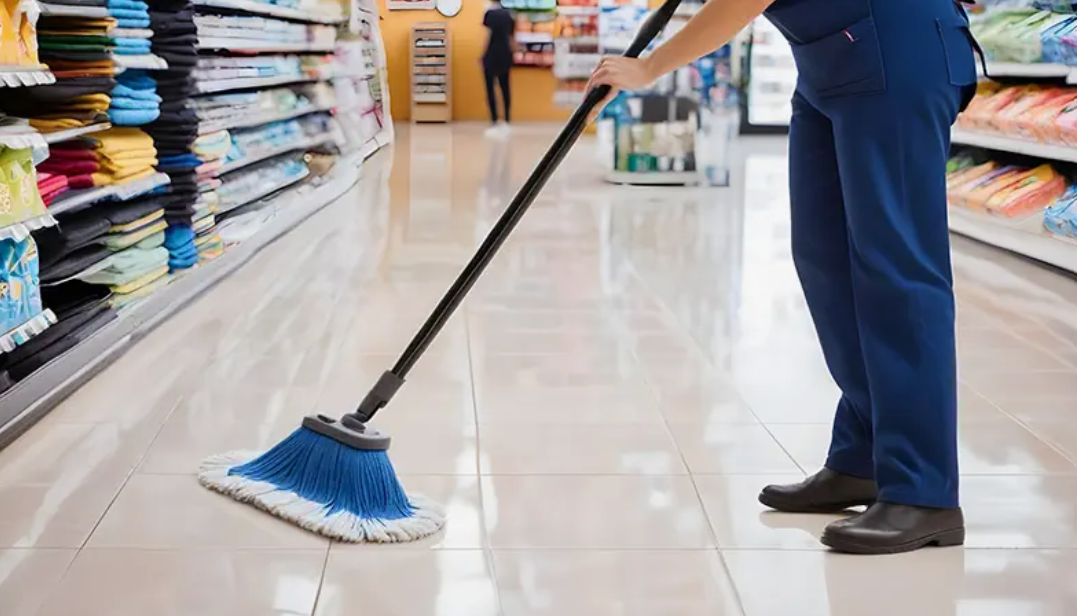
Retail runs on impressions. A shopper decides how they feel about a store within moments of walking in, and a lot of that feeling comes from how the place looks and smells. Store owners pour money into displays, lighting, and inventory, then sometimes treat cleaning as an afterthought. That is a mistake, because the cleanliness of a store quietly affects how long people stay, how much they trust the products, and how often they come back.
This article looks at how store cleaning ties into sales, the habits that keep a store looking right, and why more retailers are handing the job to outside crews.
First Impressions Happen Fast
People size up a store in seconds. Before they ever look at a price tag, they take in the floor, the air, and the general order of the place. A clean entrance and tidy aisles tell shoppers the business has its act together. Grime on the glass or trash near the door tells them the opposite, and that impression colors everything that follows.
This matters because a shopper who feels good about a store browses longer, and a longer visit usually means a bigger purchase. The reverse holds too. A customer who feels put off by a dirty space tends to grab what they came for and leave, if they stay at all.
The Trust Factor
Cleanliness affects how much people trust what they are buying. A dusty shelf makes new products look old and picked over. Customers reach for the item that looks fresh, and a clean display keeps the whole stock looking the way it should. That trust extends to the staff and the brand as a whole. A store that cares for its space reads as a store that cares about its customers.
Retail Store Cleaning Best Practices Worth Following
Good retail store cleaning best practices come down to staying ahead of the mess rather than chasing it. A few habits make the difference between a store that always looks ready and one that scrambles before a busy weekend.
Focus on High-Touch & High-Traffic Zones
Not every part of a store needs the same attention. Entrances, checkout counters, fitting rooms, and restrooms get touched and walked on far more than the rest, and those are the spots to watch. A door handle wiped in the morning is covered in germs by noon, so these areas need attention through the day, not just once.
Build a Schedule Around Store Hours
The cleaning that works best fits the way the store runs. Heavy work like floors and deep cleaning belongs before open or after close, when the sales floor is clear. A short mid-day touch-up handles spills and messes as they happen, keeping the store presentable during the hours customers are actually there.
Do Not Forget the Restroom
A customer restroom shapes how people feel about the whole store, even though it never sells a thing. A clean one signals attention to detail. A dirty one can undo all the work put into the sales floor. Frequent checks, restocking, and disinfecting keep it from becoming the thing a customer remembers.
The Hidden Cost of a Dirty Store
The damage from poor cleaning rarely shows up on a single receipt. It builds quietly. Customers who feel uncomfortable leave sooner and spend less. Some never come back. Others mention the messy store to friends or leave a review that scares off newcomers. None of this lands as one big loss, but together it adds up to real money walking out the door.
There is a product cost too. Dust and grime damage packaging and make goods look worn. Items that should sell at full price get marked down because they look old. A clean store protects the value of its own inventory, which is a return that is easy to overlook.
Why Retailers Bring In Outside Crews
Plenty of store owners start by handling cleaning with their own staff. It works for a while, but it pulls employees off the floor and away from customers. Every hour an associate spends mopping is an hour they are not helping someone find what they need or ringing up a sale. As a store grows or foot traffic climbs, that trade-off gets more expensive.
Hiring a professional crew frees the team to focus on selling. A company like Legacy Shines Services, which handles retail and commercial spaces around Concord, NC, brings the right tools, knows how to handle different floor types, and keeps a steady schedule so nothing slips. The store gets cleaned to the same standard every day, not just on the days someone remembers to do it.
Consistency Is the Real Win
The biggest reason retailers turn to outside crews is consistency. An in-house approach tends to slip on busy days, which are most days in retail. A dedicated crew shows up on schedule regardless of how hectic the week gets, and that steady baseline keeps the store looking ready around the clock. Outside crews also work around store hours, coming in early, staying late, or handling weekend resets so the floor is fresh for the next rush.
Cleaning as a Sales Tool
It helps to think of cleaning not as a cost but as a quiet part of the sales effort. The lighting, the layout, and the displays all work to move product, and cleanliness works right alongside them. A spotless store lets the merchandise stand out, makes the space feel open, and gives shoppers a reason to linger.
Big chains understand this, which is why they spend real money keeping locations spotless. Smaller retailers can borrow the same idea. The store that stays clean competes better, holds onto customers longer, and earns the kind of word of mouth that brings new ones in.
Small Habits Between Deep Cleans
Between professional visits, a few staff habits go a long way. Spot-clean spills the moment they happen. Keep a cloth and cleaner near the register. Run a quick walk-through each morning to catch anything from the night before. Empty trash before it overflows, and reset displays that customers have picked through. None of this takes much time, and together these habits keep the store sharp between deeper cleans.
The Takeaway
Retail store cleaning is not a side task. It affects how shoppers feel, how long they stay, and how much they trust what a store sells. Following solid retail store cleaning best practices, focusing on high-touch zones, building a schedule around store hours, and keeping restrooms in shape, protects both the customer experience and the value of the inventory. As stores grow, many find that bringing in a crew like Legacy Shines Services keeps the cleaning consistent while freeing staff to focus on customers. A clean store is one of the quietest sales tools a retailer has, and it works every hour the doors are open.