
If you manage or live in an HOA, you should budget for routine upkeep, seasonal services, repairs, and long-term replacements right from the start. Skipping or underestimating these costs usually leads to bigger expenses later, along with frustrated residents and declining property value.
Most communities don’t struggle because they refuse to spend. They struggle because they don’t plan clearly. A good budget is less about guessing numbers and more about understanding what actually needs attention throughout the year.
Why HOA Maintenance Budgets Often Fall Short
A lot of HOA budgets look fine on paper but fall apart in practice.
That usually happens when the focus stays on obvious costs like landscaping or snow removal, while smaller but frequent expenses get ignored. Over time, those smaller items stack up and create gaps.
Another issue is underestimating wear and tear. Shared spaces see more use than private homes, so things break down faster than expected.
If you’ve ever seen a community suddenly raise fees or delay repairs, this is often why.
The Core Categories Every HOA Should Plan For
Instead of thinking in random line items, it helps to group maintenance into clear categories. This keeps your budget organized and easier to adjust over time.
Most HOA maintenance budgets fall into these main areas:
- Routine maintenance
- Seasonal services
- Repairs and emergency fixes
- Long-term replacements
- Administrative and inspection costs
Once you understand these, you can start building a more realistic plan.
Routine Maintenance, The Stuff That Never Stops
Routine maintenance is the backbone of your budget.
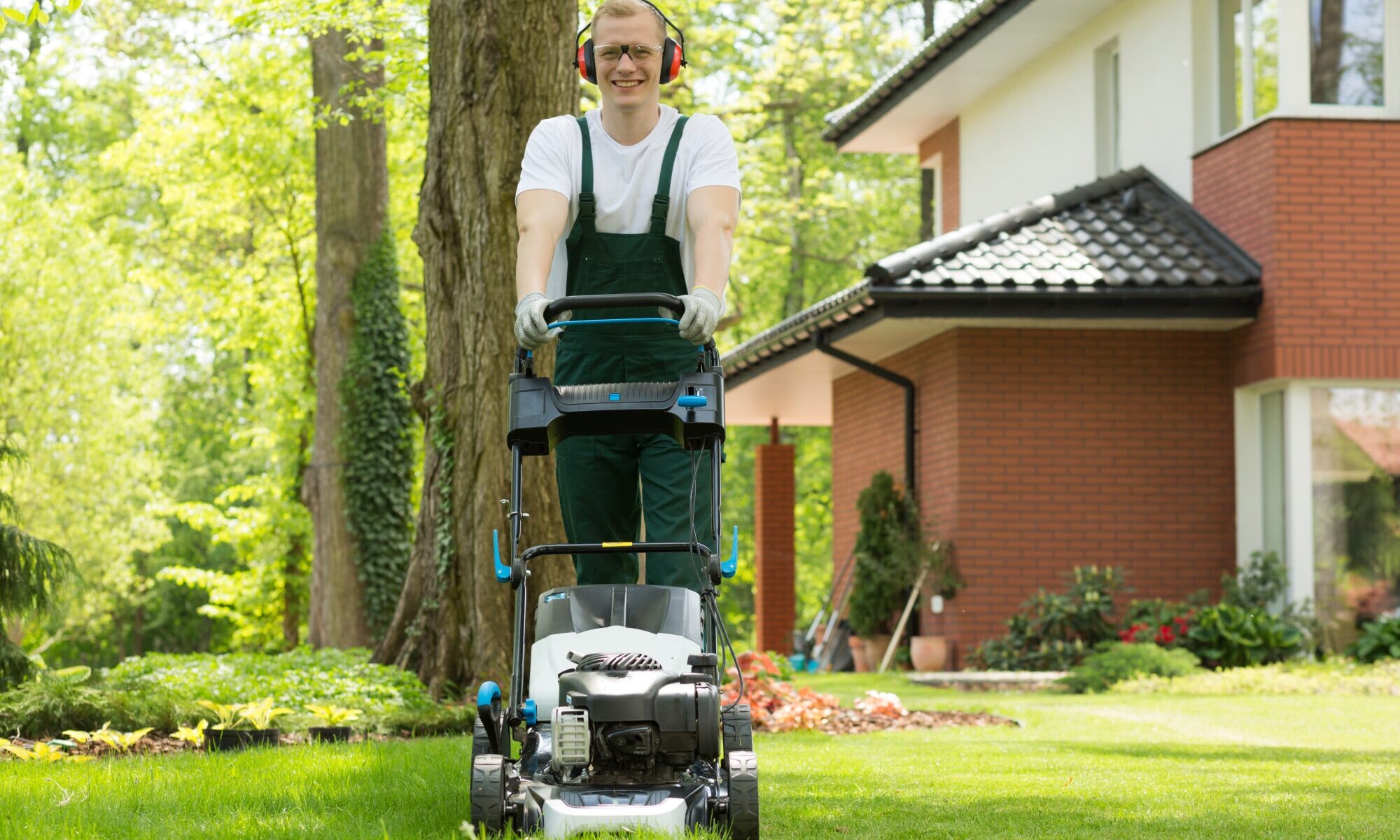
This includes tasks that happen regularly and keep the community looking clean and functional. Think of things like lawn care, trash area upkeep, cleaning common spaces, and basic property checks.
These costs are predictable, which makes them easier to plan. The mistake many communities make is underfunding this category to save money short term.
When routine work slips, problems show up faster and cost more to fix later.
Seasonal Services You Can’t Ignore
Every season brings its own set of responsibilities.
In warmer months, landscaping becomes a bigger focus. That includes mowing, trimming, watering, and keeping common areas presentable.
In winter snow removal and ice control become essential. These costs can vary depending on weather, so it’s smart to leave some flexibility in the budget.
Fall and spring also bring cleanup work like leaf removal or preparing irrigation systems.
These services might not feel constant, but they are recurring enough that they need a dedicated place in your budget.
Repairs, The Unpredictable but Inevitable Costs
No matter how well you maintain a property, things break.
Lights stop working, fences get damaged, sidewalks crack, and small issues pop up throughout the year. These are not massive expenses individually, but they add up quickly.
The best approach is to set aside a repair fund instead of reacting to each issue as it comes.
A simple way to think about it is this. If something can break, it eventually will. Budgeting for that reality keeps you from scrambling later.
Emergency Maintenance, Planning for the Unexpected
Emergency costs are different from regular repairs.
These include things like storm damage, sudden plumbing issues in shared areas, or electrical problems that need immediate attention.
You can’t predict exactly when these will happen, but you can prepare for them financially.
Having an emergency reserve keeps the community running smoothly even when something unexpected comes up.
Without it, the only option is often special assessments, which no one enjoys.
Long-Term Replacements, The Most Overlooked Category
This is where many HOAs fall behind.
Long-term replacements include major items like roofs, pavement, siding, lighting systems, and shared equipment. These don’t need attention every year, but when they do, the cost is significant.
Instead of waiting until something fails, communities should build a reserve fund over time.
For example, if a roof needs replacement in 15 years, you don’t wait until year 15 to figure out the cost. You spread that expense out gradually.
This approach keeps fees stable and avoids sudden financial pressure.
Inspections and Preventive Work Save Money
Regular inspections may feel like an extra cost, but they usually reduce spending in the long run.
Checking roofs, drainage systems, walkways, and structural elements helps catch small issues early. Fixing a minor problem is always cheaper than dealing with a major failure.
Preventive work also extends the life of existing assets. That means fewer replacements and better use of your budget.
It’s one of those areas where spending a little now saves a lot later.
Vendor Costs and Why They Vary So Much
Hiring outside help is a big part of HOA maintenance.
Costs can vary depending on the size of the community, location, and level of service needed. Some vendors offer bundled services, while others specialize in one area.
It’s worth getting multiple quotes and understanding what each service includes. The cheapest option is not always the best if it leads to inconsistent work.
I’ve seen communities keep things simple by working with providers like Helpful Guys for general property maintenance tasks when they want reliability without juggling multiple contractors. It’s less about finding a perfect solution and more about reducing day-to-day hassle.
How Property Size and Layout Affect Your Budget
Not all communities are the same, and that shows up clearly in maintenance costs.
A small complex with limited shared space will have lower expenses than a large community with parks, parking lots, and multiple buildings.
Layout matters too. Properties with more walkways, landscaping features, or shared amenities require more upkeep.
When building a budget, it helps to walk the property and list everything that needs regular attention. That gives you a clearer picture than relying on estimates alone.
Common Mistakes That Lead to Budget Problems
A few patterns show up again and again in HOA budgeting.
One is focusing only on current expenses without thinking about future needs. This leads to underfunded reserves.
Another is trying to keep fees artificially low. While it may seem appealing, it often results in bigger costs later.
Ignoring small maintenance issues is also a problem. Delayed repairs tend to grow into larger, more expensive fixes.
Avoiding these mistakes doesn’t require complex planning. It just takes consistency and realistic expectations.
A Simple Way to Build a Better Budget
If you are starting from scratch or trying to improve an existing plan, keep it practical.
Start by listing all recurring maintenance tasks. Then add seasonal services based on your climate. After that, estimate repair costs using past data if available.
Set aside a portion for emergencies, even if it feels like a guess at first.
Finally, build or review your reserve fund for long-term replacements.
This process doesn’t have to be perfect. It just needs to be consistent and reviewed each year.
Communicating Costs with Residents
Budgeting is only part of the process. Communication matters just as much.
Residents are more likely to support maintenance decisions when they understand where the money is going.
Clear updates about repairs, upgrades, and future plans build trust. It also reduces complaints when fees need to increase.
Transparency makes a big difference in how a community handles its finances.
Final Thoughts and Next Steps
A strong HOA maintenance budget covers routine work, seasonal needs, repairs, emergencies, and long-term replacements. Missing any one of these areas usually leads to problems down the line.
Take a look at your current budget and see where gaps might exist. Are you planning for future replacements, or just handling current expenses? Do you have a buffer for unexpected costs?
You don’t need a perfect system to get started. A clear, honest approach to planning goes a long way in keeping a community well-maintained and financially stable.