
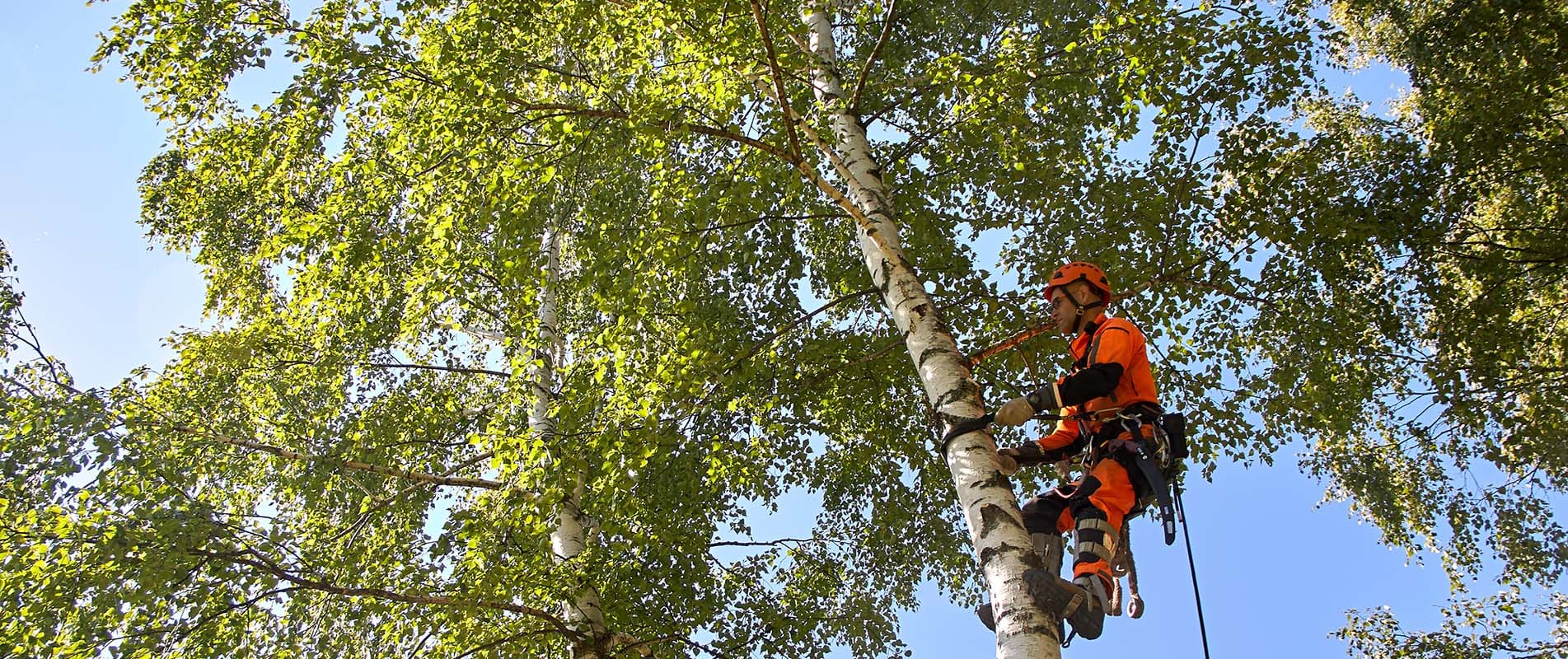
Trees make any property more beautiful by providing shade, improving air quality, and creating a peaceful outdoor environment. Healthy trees also increase property value and support local wildlife. However, trees need regular care to remain strong and safe. One important part of tree maintenance is deadwood removal.
Dead branches may not seem like a serious concern at first, but they can become dangerous over time. As branches die, they lose moisture and become weak. Eventually, they may fall without warning, creating a risk for people, homes, vehicles, and other property.
Deadwood removal helps prevent these problems by removing weak branches before they become a hazard. This simple maintenance task protects your property, improves tree health, and reduces the chance of unexpected accidents.
This guide explains how deadwood removal prevents falling branches, why it is important, and how homeowners can identify signs that their trees need attention.
What Is Deadwood?
Deadwood refers to branches that have died and no longer receive water or nutrients from the tree.
Unlike healthy branches, deadwood cannot grow new leaves or recover. Instead, it becomes dry, brittle, and more likely to break.
Deadwood may develop because of:
- Natural aging
- Storm damage
- Disease
- Insect activity
- Drought
- Root problems
- Physical injury
Removing these branches helps keep trees healthier and safer.
Why Do Dead Branches Fall?
Healthy branches are flexible and strong.
Dead branches lose their strength as they dry out. Wind, rain, or even their own weight may cause them to break.
Some dead branches remain attached for months or even years before finally falling.
Because it is difficult to predict exactly when they will break, removing them early is the safest option.
The Dangers of Falling Branches
Falling branches can cause serious damage.
Depending on their size, they may damage:
- Homes
- Roofs
- Vehicles
- Fences
- Garages
- Outdoor furniture
- Garden structures
Large branches may also cause serious injuries to anyone standing beneath the tree.
Deadwood removal greatly reduces these risks.
Improves Safety Around Your Property
Many families spend time outdoors throughout the year.
Dead branches hanging above outdoor spaces create unnecessary hazards.
Removing deadwood helps make these areas safer:
- Patios
- Walkways
- Driveways
- Playgrounds
- Gardens
- Outdoor seating areas
Safe trees allow everyone to enjoy the yard with greater peace of mind.
Reduces Storm Damage
Storms are one of the most common causes of falling branches.
Strong winds place extra pressure on weak limbs.
Dead branches are usually the first to break because they have already lost their strength.
Removing deadwood before storm season helps reduce:
- Broken roofs
- Damaged vehicles
- Fallen fences
- Blocked driveways
- Emergency tree damage
Healthy trees are generally better prepared for severe weather.
Protects Your Home
Branches hanging over your house can become dangerous if they die.
Dead limbs may damage:
- Roof shingles
- Gutters
- Windows
- Siding
- Decks
Routine deadwood removal helps protect your home from unnecessary repair costs.
Keeps Vehicles Safe
Many homeowners park cars beneath shade trees.
A falling branch can easily:
- Crack a windshield
- Dent the roof
- Scratch paint
- Damage mirrors
Removing weak branches lowers the chance of expensive vehicle repairs.
Protects Power Lines
Trees growing near utility lines require regular inspection.
Dead branches may fall onto electrical wires and cause:
- Power outages
- Equipment damage
- Fire hazards
Keeping trees properly maintained reduces these risks.
Helps Maintain Strong Tree Structure
Dead branches add unnecessary weight to the tree.
As they weaken, they place additional stress on nearby healthy branches.
Removing deadwood improves balance and supports a stronger tree structure.
Strong trees are less likely to experience branch failure.
Improves Tree Health
Dead branches no longer contribute to healthy growth.
Removing them allows the tree to direct nutrients toward healthy branches, leaves, and roots.
This supports:
- Better growth
- Healthier leaves
- Stronger branches
- Improved recovery after stress
Healthy trees naturally develop stronger canopies.
Reduces the Spread of Disease
Deadwood often becomes the first place where disease develops.
Fungi and bacteria may spread from dead branches into healthy parts of the tree.
Removing affected branches early helps reduce the spread of disease.
Healthy trees are better able to resist future infections.
Discourages Insects
Dead wood attracts many insects looking for shelter.
Common pests include:
- Carpenter ants
- Beetles
- Wood borers
- Termites
These insects may eventually spread into healthy trees or nearby wooden structures.
Removing deadwood helps reduce insect activity around your property.
Improves Air Circulation
Dense canopies filled with dead branches reduce airflow.
Poor air circulation creates damp conditions where fungal diseases develop more easily.
Removing deadwood allows fresh air to move throughout the canopy.
This helps keep the tree healthier.
Increases Sunlight
Dead branches often block sunlight from reaching healthy leaves.
Removing them allows more light into the canopy.
Additional sunlight supports:
- Healthy leaves
- Strong branches
- Better tree growth
- Healthier grass and plants below
Prevents Branches From Breaking Unexpectedly
One of the greatest benefits of deadwood removal is preventing surprise branch failures.
Many dead branches fall without:
- Storms
- Strong winds
- Heavy rain
They simply become too weak to support their own weight.
Routine inspections identify these hazards before accidents happen.
Makes Yard Maintenance Easier
Low dead branches often interfere with regular lawn care.
Removing them creates more room for:
- Mowing
- Gardening
- Landscaping
- Walking
- Outdoor activities
A cleaner yard is easier to maintain throughout the year.
Signs Your Tree Needs Deadwood Removal
Homeowners should watch for warning signs including:
- Branches without leaves
- Dry wood
- Peeling bark
- Hanging limbs
- Dead twigs
- Cracked branches
- Fungal growth
- Branches breaking easily
Regular inspections help identify these problems early.
When Should Deadwood Be Removed?
Deadwood should be removed whenever it is discovered.
Unlike seasonal pruning, deadwood removal is not limited to one time of year.
Immediate attention is recommended if dead branches are:
- Hanging over buildings
- Above walkways
- Near driveways
- Close to play areas
- Damaged after storms
Prompt removal helps prevent accidents.
Benefits of Regular Deadwood Removal
Routine maintenance offers many advantages.
These include:
- Improved safety
- Healthier trees
- Stronger branch structure
- Better airflow
- Increased sunlight
- Fewer insects
- Lower disease risk
- Reduced storm damage
- Better curb appeal
- Longer tree lifespan
Regular maintenance helps trees remain healthy for many years.
Plam Beach Arbor Service provides professional deadwood removal to help homeowners reduce safety risks and maintain healthy, attractive trees throughout the year.
Frequently Asked Questions
What is deadwood removal?
Deadwood removal is the process of removing branches that have died because of age, disease, weather, or other causes.
Why do dead branches fall?
Dead branches lose moisture and strength over time. They become brittle and may break because of wind or their own weight.
Can deadwood removal prevent property damage?
Yes. Removing dead branches lowers the risk of limbs falling onto homes, vehicles, fences, and other structures.
Is deadwood removal good for tree health?
Yes. Removing dead branches allows the tree to focus its energy on healthy growth while reducing disease and pest problems.
How often should trees be inspected?
Trees should be inspected at least once a year and after severe storms to identify dead or damaged branches.
Final Thoughts
Deadwood removal is one of the most effective ways to prevent falling branches and improve tree safety. Dead branches weaken over time, making them more likely to break without warning. By removing them early, homeowners can protect their property, reduce the risk of injuries, and support healthier tree growth.
Regular inspections, routine maintenance, and timely deadwood removal help trees remain strong, balanced, and attractive throughout the year. Taking care of dead branches before they become a hazard is a simple step that provides lasting benefits for both your trees and your outdoor space.